 CimpactPRO Partner
Türkçeye Geç
CimpactPRO Partner
Türkçeye Geç
 Danışma Hattı
0 (850) 346 33 11
Danışma Hattı
0 (850) 346 33 11
 CimpactPro CORP
Corporate Carbon Footprint Calculation and Reporting Software.
CimpactPro CBAM
Border Carbon Regulatory Mechanism (CCRM) Declaration Software.
CimpactPro ESG
Sustainability / ESG Reporting and Management Software. (GRI)
CimpactPro CITY
Emissions Management and Reporting Software for Cities and Municipalities (GPC)
CimpactPro is a sustainability software family that covers all sectors with its modular structure developed by taking into account the specific needs of different sectors.
Explore All Sectors


With our mentoring, training and research-analysis packages, we build your capacity, finalize processes together and link your decisions to data-based, measurable results.
All Services
Accelerate standards compliance with weekly/monthly coaching and increase your teams' success in error-free implementation and on-time delivery.
Get Detailed Information
With hands-on sessions, it adapts standards and regulations to your corporate data; makes competence permanent and enables rapid implementation.
Get Detailed Information
Green maturity, awareness and GAP measurements link decisions to data and clarify the priority roadmap and KPIs.
Get Detailed InformationFrom technical guides to expert opinions, from analysis of current legislation to software support tools, CimpactPro Resources library has all the information you need to take firm steps towards your sustainability goals.


Kozyatağı Mah. İbrahim Ağa Sk. Som Plaza Kat:5 Kadıköy/İstanbul/TÜRKİYE
What Events Increase Carbon Footprint?



The carbon footprint can grow as a result of many activities, from daily life to production processes. Sometimes this increase occurs directly through fuel and energy use, and sometimes indirectly through supply chain, procurement, waste management and logistics choices. Understanding the events that increase the carbon footprint is therefore important, not only to see the current impact, but also to identify where improvements need to be made.
Why Does Carbon Footprint Increase?
The carbon footprint increases when resource use is intensified, energy is based on fossil fuels and processes are inefficient. This increase is sometimes due to visible consumption, and sometimes due to indirect impacts that remain in the background of the organization's operations. In terms ofthe corporate carbon footprintin particular , not only on-site consumption but also procurement, logistics, waste and supply relationships can magnify the total impact.
Therefore, the carbon footprint is not the result of a single event, but the cumulative effect of accumulated activities. Therefore, in order to stop the increase, it is first necessary to see which areas produce higher emissions.
How Does Fossil Fuel Use Affect Carbon Footprint?
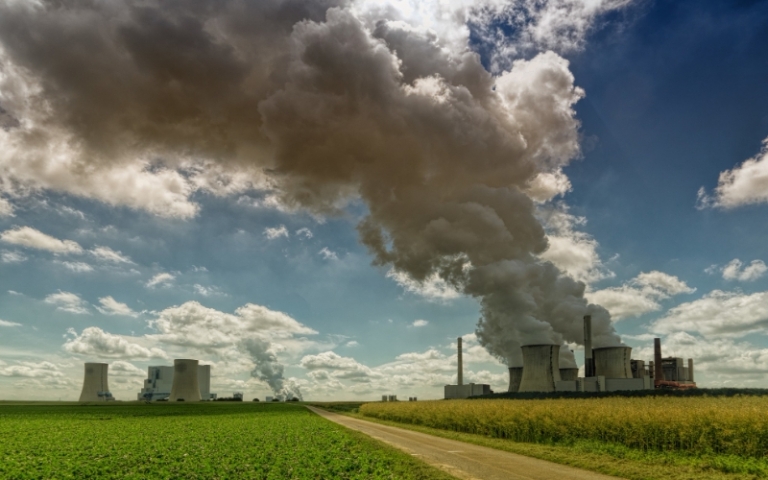
Fossil fuel use is one of the main factors that increase the carbon footprint. Energy consumption based on coal, oil, natural gas and its derivatives creates direct greenhouse gas emissions. Heating, production, generator use, vehicles and industrial equipment are among the main sources of this impact.
The higher the dependence of an organization or individual on fossil fuels, the higher its total emissions. Therefore, the nature of the energy source is considered one of the main factors determining the carbon footprint.
Why Electricity Consumption and Energy Inefficiency is a Critical Factor?
Although electricity does not seem to produce emissions directly within the facility, it can constitute a significant part of the carbon footprint depending on the sources from which it is produced. Inefficient equipment, unnecessary use, uncontrolled air conditioning and low-efficiency systems, especially in businesses with high electricity consumption, magnify the total impact.
Energy inefficiency is a problem that often goes unnoticed. This is because businesses sometimes see consumption, but do not clearly analyze which use is unnecessary or can be optimized. This leads to persistently high emissions.
How Transportation and Logistics Activities Raise Emissions
Transportation and logistics activities can significantly increase the carbon footprint, especially when they rely on the use of fossil fuels. Company vehicles, distribution operations, shuttles, air travel and supply transportation are major sources of this impact. Frequent transportation movements in particular can be a major contributor to total emissions.
On the logistics side, poor route optimization, inefficient use of transport capacity and unnecessary mobility also increase the emissions burden. Therefore, transportation management is a critical area not only in terms of cost but also in terms of emission performance.
How does industrial production and intensive resource use increase carbon footprint?
Energy, fuel, raw materials, process equipment and auxiliary operations used in industrial production can account for a significant portion of emissions. Especially in processes that require heat, run continuously or consume high resources, the carbon impact becomes more pronounced. Inefficient production means that more resources are used to achieve the same output.
Resource intensive use is not limited to energy. Raw material selection, process losses, production duplication and poor maintenance can also indirectly increase the total carbon footprint.
Why Waste Generation and Improper Waste Management are Effective?
Waste generation is one of the important signs of inefficient resource utilization. Production losses, unnecessary consumption, excess packaging, improper sorting and improper disposal methods can increase the carbon footprint. This is because waste is not only a waste material, but also an indicator of wasted energy, water and labor.
Improper waste management magnifies this impact. Failure to segregate waste at source, missed recovery opportunities and uncontrolled processes create both environmental and operational pressure.
How Supply Chain and Procurement Choices Magnify Emissions
Supply chain and procurement decisions are an often overlooked but very influential area of the carbon footprint. Even if an organization produces limited emissions in its own facility, the products and services it purchases can generate high emissions in the background. Therefore, supply chain decisions play an important role in growing the total impact.
This area is also critical fora strong carbon footprint report. Because an accurate picture of indirect emissions depends on an accurate reading of procurement and supply data. The real impact is clearer when supplier profile, material type, transportation structure and frequency of purchase are considered together.
Scope 1 Sources
Scope 1 sources cover areas that the business directly controls, such as fuel use, process emissions and company vehicles. These sources are usually among the first impacts to be seen as they generate direct emissions.
Scope 2 Sources
Scope 2 sources refer to emissions from indirect energy use, such as purchased electricity, steam, heating or cooling. Especially in energy-intensive organizations, this area can have a significant share in the total carbon footprint.
Scope 3 Sources
Scope 3 sources cover other indirect emissions along the organization's value chain, such as supply chain, purchased goods and services, business travel, employee transportation, waste and distribution. For most organizations, this can be the most complex but largest part of the total impact.
What is the Difference Between Individual and Corporate Carbon Footprint?
Individual carbon footprint is shaped more by daily life choices, transportation, residential energy and consumption habits. Corporate carbon footprint, on the other hand, covers a much broader structure such as production, procurement, logistics, energy infrastructure, waste management and supply chain. Therefore, measurement and management on the corporate side requires a much more systematic approach.
The main difference between the two structures is data complexity as well as scale. Since there are more emission sources in the corporate structure, it becomes more important to correctly classify the causes of increase.
Why is Tool Selection Important in Carbon Footprint Calculation?
In order to see the events that increase the carbon footprint, it is not enough to collect data; it is necessary to make this data meaningful with the right tool. Cluttered spreadsheets, incomplete records and manual tracking methods can make it difficult to see the true weight of emission sources. Therefore, the quality of the tool used in thecarbon footprint calculation process directly affects the accuracy of the decisions to be taken.
Choosing the right tool makes it easier to see which processes produce higher emissions, to make comparisons between periods and to determine mitigation priorities. Especially in corporate structures, this difference is much more evident.
Which Areas Should Be Looked at First to Reduce Carbon Footprint?
Energy consumption, fossil fuel use, transportation movements, production processes, waste generation and purchasing preferences should be evaluated first. Because the main sources of emission increase in most organizations are concentrated in these areas. Seeing which topic is more dominant determines the direction of the mitigation strategy.
At this point, the answer to the question ofhow to reduce the carbon footprint should not only be a list of recommendations, but also a list of prioritized intervention areas supported by measurement. The best approach is to first make high-impact resources visible and then build the mitigation plan based on this data.