 CimpactPRO Partner
Türkçeye Geç
CimpactPRO Partner
Türkçeye Geç
 Danışma Hattı
0 (850) 346 33 11
Danışma Hattı
0 (850) 346 33 11
 CimpactPro CORP
Corporate Carbon Footprint Calculation and Reporting Software.
CimpactPro CBAM
Border Carbon Regulatory Mechanism (CCRM) Declaration Software.
CimpactPro ESG
Sustainability / ESG Reporting and Management Software. (GRI)
CimpactPro CITY
Emissions Management and Reporting Software for Cities and Municipalities (GPC)
CimpactPro is a sustainability software family that covers all sectors with its modular structure developed by taking into account the specific needs of different sectors.
Explore All Sectors


With our mentoring, training and research-analysis packages, we build your capacity, finalize processes together and link your decisions to data-based, measurable results.
All Services
Accelerate standards compliance with weekly/monthly coaching and increase your teams' success in error-free implementation and on-time delivery.
Get Detailed Information
With hands-on sessions, it adapts standards and regulations to your corporate data; makes competence permanent and enables rapid implementation.
Get Detailed Information
Green maturity, awareness and GAP measurements link decisions to data and clarify the priority roadmap and KPIs.
Get Detailed InformationFrom technical guides to expert opinions, from analysis of current legislation to software support tools, CimpactPro Resources library has all the information you need to take firm steps towards your sustainability goals.


Kozyatağı Mah. İbrahim Ağa Sk. Som Plaza Kat:5 Kadıköy/İstanbul/TÜRKİYE
What are Hazardous Wastes and How to Declare Hazardous Waste?
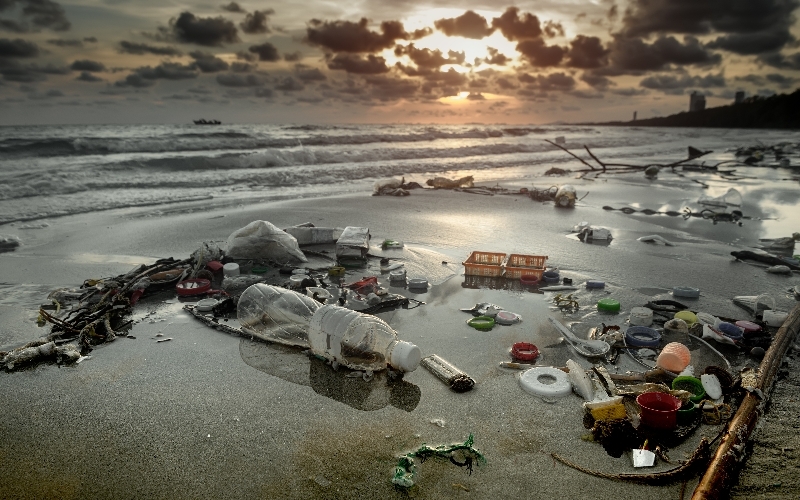


Hazardous waste management is a critical area of environmental management that is not only limited to the removal of waste from the facility, but also includes classification, registration, storage, transportation and declaration. Even a small mistake in this process can have significant consequences in terms of both regulatory compliance and environmental risk. For this reason, it is of great importance for businesses to correctly identify hazardous wastes and to make a complete hazardous waste declaration.
What is Hazardous Waste?
Hazardous waste is waste that has the potential to harm human health, the environment or natural resources due to its physical, chemical or biological properties. These wastes can be flammable, explosive, toxic, corrosive, infectious or risky for the environment. Therefore, they need to be managed differently from other wastes.
The concept of hazardous waste is not only about what the waste is, but also how to manage it. For the same reason, the classification, registration and declaration of these wastes are specifically addressed in environmental legislation.
Which Wastes are Hazardous Wastes?
Wastes that fall within the scope of hazardous waste may vary according to the field of activity. Wastes of this nature can be generated in many areas from industrial facilities to laboratories, from health institutions to special production processes. The main thing is to take into account the risk characteristics of the waste as well as its source.
Industrial Hazardous Wastes
Oils, solvents, paint residues, sludges, process wastes and contaminated packaging generated in production facilities can be considered hazardous waste in many cases. This type of waste is more common especially in metal processing, automotive, chemical, surface coating and similar sectors.
Chemical and Laboratory Waste
Reagent residues, solutions, contaminated equipment and certain experimental wastes generated as a result of laboratory work, analysis processes and activities based on the use of chemicals may be classified as hazardous. Improper storage or mixing of these wastes can increase the level of risk.
Health and Special Process Wastes
In some health institutions, wastes generated in special processes or high-risk applications can also be considered hazardous. Especially wastes that are infectious, toxic or require special treatment should be handled carefully in this group. It should be kept in mind that not all waste types can be managed in the same way.
How are Hazardous Wastes Classified?
Hazardous wastes are classified according to their source, content, hazard characteristics and related waste codes. Without proper classification, it is not possible for the storage, transportation or declaration process to proceed properly. This is because misclassification both disrupts the registration system and creates risks in terms of legislation.
In the classification process, the activity in which the waste is generated, its chemical structure, physical properties and its equivalent in the legislation should be evaluated together. This step is the basis of hazardous waste management.
What is Hazardous Waste Declaration?
Hazardous waste declaration means that the enterprise declares the hazardous wastes generated within a certain period within the framework of the relevant system and rules. The purpose of the declaration is to make the amount, type and management status of the waste visible. This creates a traceable structure for both the enterprise and the public authority.
Declaration is not only an administrative procedure; it is an important indicator of how well waste management is established. Therefore, the accuracy of this information is as important as the numerical information.
For Whom is Hazardous Waste Declaration Mandatory?
For businesses that generate hazardous waste, the declaration obligation may become mandatory depending on the type of activity. This process is especially critical for organizations that manufacture, use chemicals, conduct laboratory operations or generate hazardous waste. The determining factor here is the nature of the waste generated as well as the size of the enterprise.
For this reason, businesses need to recognize their own waste profiles correctly. Failure to recognize or misinterpret hazardous waste may cause serious problems in the declaration process.
How to Declare Hazardous Waste?
Hazardous waste declaration is made by carrying out steps such as preliminary preparation, data collection, coding, quantification and record control. For a healthy declaration, it should first be clarified from which activities the wastes originate, how much is generated and under which waste codes they will be evaluated. The declaration process is then completed by supporting the information with the correct records.
Information to be Prepared Before Declaration
The area of operation, waste generation points, transportation and storage records, delivery information and historical data should be available prior to declaration. Notifications made with incomplete information may require correction later.
Waste Codes and Quantity Determination
Choosing waste codes correctly and basing quantities on actual data is the most critical part of the declaration. Incorrect coding or use of estimated quantities undermines the reliability of the process. Therefore, code selection and quantification is a stage that requires technical attention.
Control of Records and Approval Process
Prior to declaration, records should be checked for consistency with each other. There should be no inconsistencies between delivery records, internal tracking data and quantity information. The final control phase is one of the most important steps to reduce the risk of misdeclaration.
What are the Most Common Mistakes in Hazardous Waste Declaration?
One of the most common mistakes is choosing the wrong waste code. In addition, declaring with estimated quantities, using data that is not supported by records, mixing waste types and using historical data without updating are also common problems.
Some enterprises experience incomplete or scattered records because they try to collect data only during the declaration period. For this reason, the declaration process should be handled with the logic of regular data management throughout the year, not periodically.
What should be considered in hazardous waste management?
The most important issues to be considered in hazardous waste management are correct classification, proper storage, recording discipline, personnel awareness and compliance with licensed processes. Mixing wastes with each other, keeping them in inappropriate areas or moving them unrecorded increases environmental and legal risks.
Therefore, the business needs to focus on the entire management chain, not just the moment of declaration. Healthy management is a prerequisite for accurate declaration.
Why is the correct declaration process critical for organizations?
The correct declaration process directly shows the environmental management capacity and operational discipline of the organization. Incorrect or incomplete declaration does not only create regulatory risk; it can also damage the organization's data quality and management reliability. For this reason, hazardous waste declaration should not only be seen as the work of the environmental department, but should be part of a corporate management approach.
This approach makes similar sense with other areas of environmental performance,especially corporate carbon footprinting. Whatever environmental data an organization manages, the basic need is the same: accurate data, consistent recording and a traceable process. Therefore, a strong disclosure structure is also critical to an organization's overall sustainability performance.