 CimpactPRO Partner
Türkçeye Geç
CimpactPRO Partner
Türkçeye Geç
 Danışma Hattı
0 (850) 346 33 11
Danışma Hattı
0 (850) 346 33 11
 CimpactPro CORP
Corporate Carbon Footprint Calculation and Reporting Software.
CimpactPro CBAM
Border Carbon Regulatory Mechanism (CCRM) Declaration Software.
CimpactPro ESG
Sustainability / ESG Reporting and Management Software. (GRI)
CimpactPro CITY
Emissions Management and Reporting Software for Cities and Municipalities (GPC)
CimpactPro is a sustainability software family that covers all sectors with its modular structure developed by taking into account the specific needs of different sectors.
Explore All Sectors


With our mentoring, training and research-analysis packages, we build your capacity, finalize processes together and link your decisions to data-based, measurable results.
All Services
Accelerate standards compliance with weekly/monthly coaching and increase your teams' success in error-free implementation and on-time delivery.
Get Detailed Information
With hands-on sessions, it adapts standards and regulations to your corporate data; makes competence permanent and enables rapid implementation.
Get Detailed Information
Green maturity, awareness and GAP measurements link decisions to data and clarify the priority roadmap and KPIs.
Get Detailed InformationFrom technical guides to expert opinions, from analysis of current legislation to software support tools, CimpactPro Resources library has all the information you need to take firm steps towards your sustainability goals.


Kozyatağı Mah. İbrahim Ağa Sk. Som Plaza Kat:5 Kadıköy/İstanbul/TÜRKİYE
How Does the Carbon Cycle Work? Stages of the Carbon Cycle


The carbon cycle is a natural system in which the element carbon is constantly moving between different environments in nature. The atmosphere, oceans, soil, plants, animals and the earth's crust are all part of this cycle. Carbon is sometimes found as a gas in the air, sometimes as an organic compound in living tissue, and sometimes stored in soils and rocks.
This cycle is critical for the balance of nature. Because where, how much and how fast carbon, one of the basic components of life, moves directly affects the climate system, ecosystems and biological production.
What is the Carbon Cycle?
The carbon cycle is a natural circulatory system that describes the movement of carbon from the atmosphere to living things, from there to soil and water, and sometimes back to the atmosphere. This process has been operating for thousands of years and is one of the fundamental mechanisms that support life on Earth.
The cycle includes both short-term biological processes and long-term geological processes. Carbon therefore moves not only through events such as breathing or photosynthesis, but also through longer processes such as ocean currents, sedimentation and fossil formation.
This multilayered structure makes the carbon cycle a fundamental part of the climate system. How long carbon stays in which pool has a direct impact on the global balance.
Why is the Carbon Cycle Important?
The carbon cycle is very important for maintaining the climate balance. When the amount of carbon in the atmosphere increases, the earth's heat balance can change and this puts pressure on the climate system. The carbon cycle is therefore one of the key frameworks for understanding the greenhouse effect.
The logic of the accumulation of carbon and other gases in the atmosphere is at the heart of the topic of gases that cause the greenhouse effect, which will be discussed more directly in the future. When the natural limits of this cycle are exceeded, the pressure on climate grows.
How does carbon in the atmosphere move?
Carbon in the atmosphere is mostly found as carbon dioxide. Plants use this carbon dioxide through photosynthesis, while living things can release carbon back into the atmosphere through respiration. Combustion processes also increase the amount of carbon in the atmosphere.
The atmosphere is therefore one of the most visible links in the carbon cycle. But it is not only a storehouse; it is also a moving space where carbon is constantly entering and leaving.
When this delicate balance in the atmosphere is disturbed, even seemingly small increases can affect the temperature regime in the long term. This is why atmospheric carbon is at the center of climate science.
How does photosynthesis play a role in the carbon cycle?
Photosynthesis allows plants to take carbon dioxide from the atmosphere to produce organic matter. Through this process, carbon is transferred from the air into plant tissue. Forests, agricultural fields and other vegetation are therefore one of the most important regulators of the carbon cycle.
Plant production plays a critical role not only in terms of food and oxygen, but also in balancing carbon in the atmosphere. Therefore, deforestation is one of the main factors that negatively affect the carbon cycle.
How Respiration and Decomposition Processes Return Carbon
Living things respire during their vital activities and release carbon back into the atmosphere. Likewise, during the decomposition of dead organisms, carbon stored in organic matter is released. These processes allow carbon to return from living systems back into the environment.
Soil microorganisms play an important role in this transformation. Therefore, carbon is constantly moving not only between plants and animals, but also in invisible biological processes.
How do oceans and soil store carbon?
Oceans can absorb carbon from the atmosphere and store it in dissolved form or through biological processes. Soil also holds significant amounts of carbon through organic matter. These two areas are considered major natural sinks that limit the carbon balance in the atmosphere.
But this storage capacity is not unlimited. Warming, land degradation, deforestation and changes in marine systems can weaken this balance.
That is why protecting natural sinks is as important as reducing emissions. When soil and ocean systems are weakened, the amount of carbon remaining in the atmosphere can increase.
How Does Fossil Fuel Use Disrupt the Carbon Cycle?
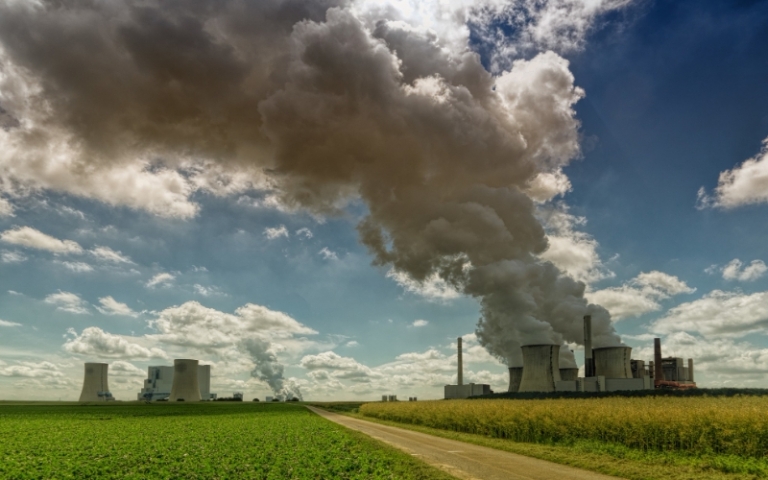
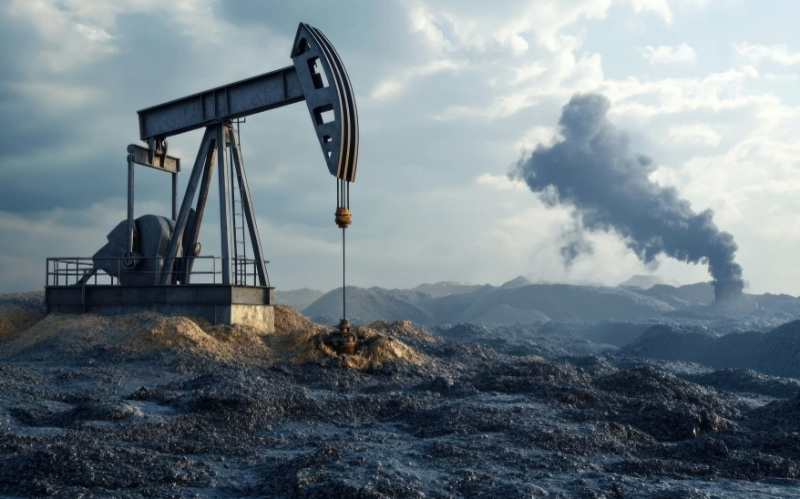
Fossil fuels quickly return carbon stored underground for millions of years to the atmosphere. Intensive use of coal, oil and natural gas therefore disrupts the natural rate of the carbon cycle. Carbon that normally circulates on a very long timescale is loaded into the atmosphere in large quantities within a few centuries.
This explains the basis of the question ofwhat is a carbon footprint. Because as human activities disrupt the natural flow of the carbon cycle, the total impact of emissions becomes more visible.
How does the disruption of the carbon cycle affect climate change?
Excess carbon accumulating in the atmosphere strengthens the greenhouse effect, causing a rise in temperature. The temperature increase can create chain consequences such as melting of glaciers, sea level rise, drought, excessive rainfall and ecosystem losses. Therefore, disruption of the carbon cycle has not only environmental, but also economic and social consequences.
Understanding the carbon cycle allows us to assess climate change not only in terms of consequences, but also in terms of causes. This provides a clearer understanding of why measures in areas such as energy, production and land use are important.
This knowledge is also valuable for education and policy-making. Because without an understanding of the carbon cycle, greenhouse gas mitigation can often be perceived as an abstract and distant goal.